
Your Puppy’s First Beach Trip: What to Know Before You Go
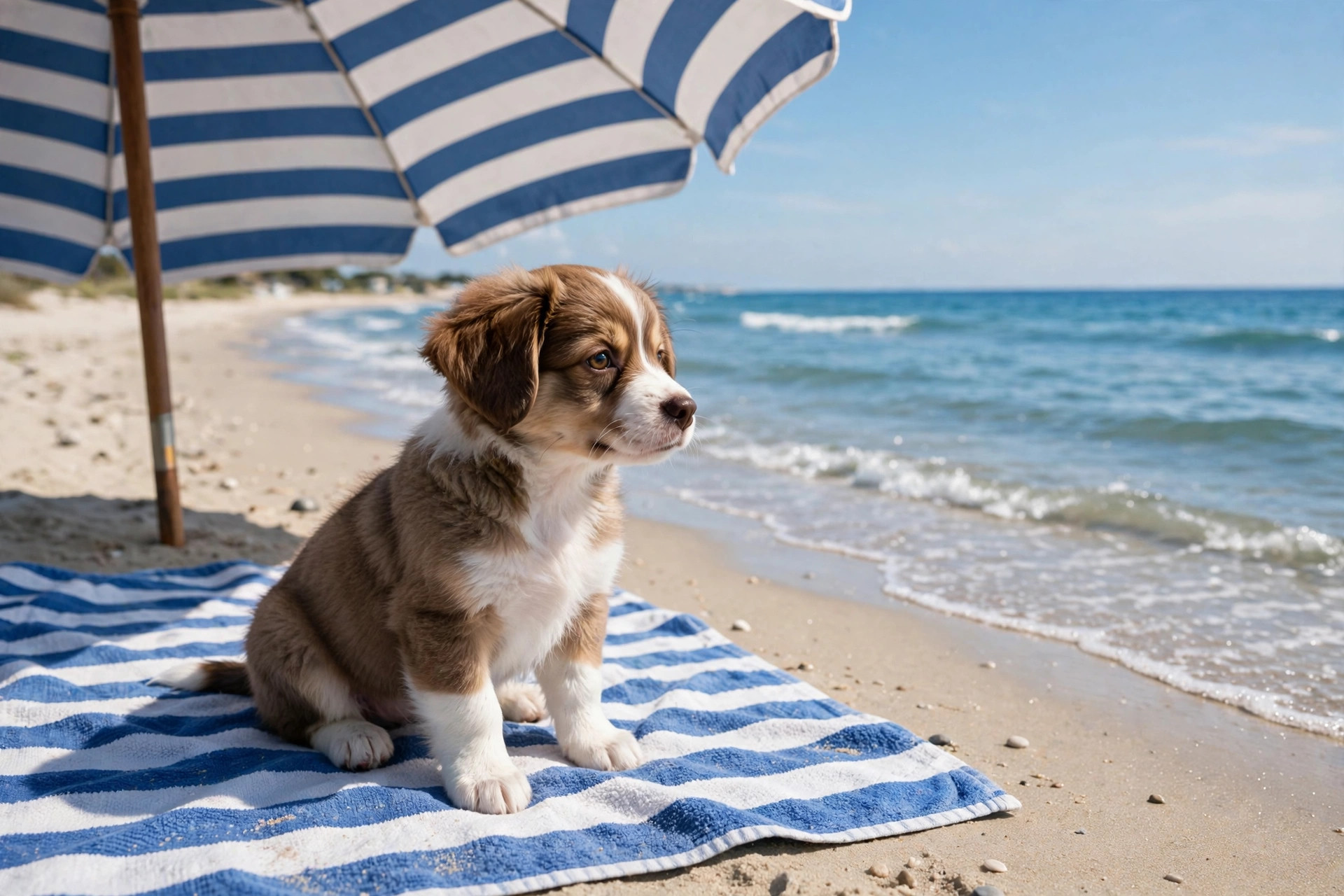
A puppy’s first beach trip can be the best day of their young life or an overwhelming one, and the difference is mostly planning. Beaches combine almost everything a young puppy finds intense: heat, crowds, strange dogs, crashing water, and ground that moves under their paws. Keep the first visit short, shady and treat-filled, and you will likely end up with a dog who hears the word “beach” the way kids hear “ice cream.”
When Is a Puppy Ready for the Beach?
Timing has two parts. First, vaccinations: beaches are high-traffic dog areas, so most vets advise waiting until your puppy’s vaccination course is complete — usually around 16 weeks — before paws touch public sand. Ask your vet if your local risk differs. Second, the day itself: pick a quiet weekday morning, not a holiday Saturday. Go early before the sand heats up, plan for an hour or less, and check the beach actually allows dogs — many beaches restrict dogs by season or hours, and leash rules apply almost everywhere. If your puppy has not mastered water yet, read our puppy’s first swim guide first; the beach is not the place for a maiden voyage.
What to Bring
Fresh water and a bowl come first — offer drinks every 20 to 30 minutes, because puppies gulp seawater while playing and salt water causes vomiting and diarrhea. Bring shade (an umbrella or pop-up tent), a towel or mat for resting off the hot sand, poop bags, treats, a long line if the beach allows it, and your puppy’s usual leash and harness. A life jacket is smart for puppies who will wade. If you are driving any distance, the kit list in traveling with a puppy by car covers the car side of the trip too.
The Real Beach Dangers
Saltwater is the one owners underestimate: a puppy who spends the day drinking the sea can get genuinely ill, so fresh water offered often is a medical issue, not a comfort one. Heat is next — sand and sun together overwhelm puppies quickly, and our summer heat safety guide lists the early signs of overheating to watch for. Hot sand and the pavement in the car park can burn paw pads, so test surfaces with your own bare foot; the pad-care advice in winter paw care applies to burns and salt too. Dead fish, jellyfish, hooks and sharp shells all end up in puppy mouths, so this is a heads-up, leave-it kind of day. Finally, waves: even gentle surf knocks small puppies over, and a frightening dunking can put a puppy off water for months. Wade at the edge and let them choose.
Running the Visit
Start on the sand, not in the water. Let your puppy watch the waves, sniff seaweed, dig a legal hole (beach digging needs no training — fill it in before you leave) and meet the idea of the place. Walk the waterline together so the first waves that reach them are an inch deep. Play short games, rest in the shade, repeat. Watch body language: a puppy who keeps retreating from the water or sticks to your towel is telling you they have had enough novelty for one day, and listening to that is exactly how a puppy learns beaches are safe. End early and end happy — the goal of trip one is a puppy who wants trip two.
After You Get Home
Rinse your puppy with fresh water to remove salt and sand, check ears and dry them, and look between the toes and pads for shells or irritation. Offer a normal drink and meal, then expect a long sleep — beach days are to puppies what they are to children. A puppy who ate a lot of sand may pass gritty stool for a day; a puppy who drank a lot of seawater may have one loose evening. Vomiting that continues, lethargy, or wobbliness is a vet call, not a wait-and-see. Most first trips end with nothing more dramatic than a sandy car and a very tired puppy — which is precisely the plan.
Related guides
However you get there, your puppy rides safest in a secure carrier — see the best puppy travel carriers for the drive.
Frequently Asked Questions
How old should a puppy be before going to the beach?
Most vets advise waiting until the vaccination course is complete, around 16 weeks, because beaches are busy dog areas. Choose a quiet morning for the first visit, keep it under an hour, and check the beach allows dogs before you go.
Can puppies drink seawater?
They should not. Puppies commonly gulp seawater while playing, and it causes vomiting and diarrhea; enough of it can make a puppy seriously ill. Bring plenty of fresh water and offer it every 20 to 30 minutes so your puppy is never thirsty enough to drink the sea.
Do puppies need sunscreen or shade at the beach?
Shade, yes — puppies overheat quickly and need an umbrella or tent to rest under. Sunscreen matters for short-coated, light-skinned puppies and bare spots like noses and ears; use a pet-safe product, since some human sunscreens contain ingredients toxic to dogs.
What if my puppy is scared of the waves?
Do not carry them in. Play on the sand at a comfortable distance, walk the waterline so tiny waves reach their paws, and let them approach at their own speed. Ending the trip early with the puppy still happy beats one brave dunking that creates a lasting fear.
Can my puppy swim in the sea on the first trip?
Only if they already swim confidently from pool or lake practice, and only in calm, shallow water with you beside them — ideally in a life jacket. The beach adds waves, current and saltwater to the challenge, so most puppies are better off wading on trip one.