
Puppy Vaccine Side Effects: Normal vs. Not
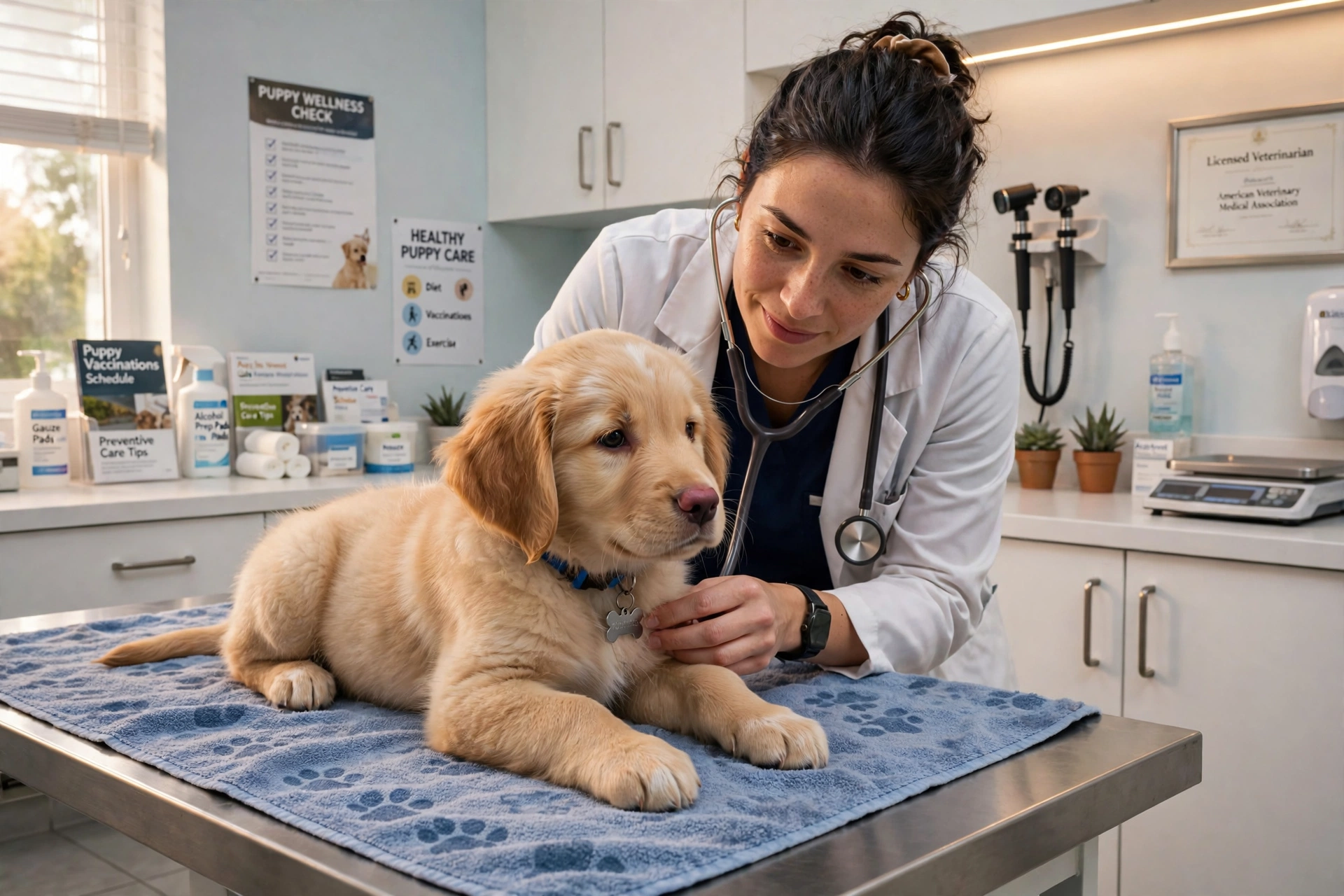
The evening after vaccinations, many puppies are simply not themselves: sleepy, quiet, a little sore where the needle went in, maybe off their dinner. For new owners it is the first “is this normal?” moment of puppyhood — and almost always, the answer is yes. Vaccines work by training the immune system, and a mild, short reaction is the visible sign of that training happening. This guide separates the expected responses from the rare ones that need a vet today, so you can watch your puppy calmly instead of anxiously. It assumes your puppy is on the standard series in our puppy vaccination schedule.
Normal Side Effects (and How Long They Last)
Sleepiness and low energy are the most common reaction of all — many puppies nap the rest of the day and are themselves again by morning. Soreness or a small lump at the injection site can last a few days; the lump itself may take a couple of weeks to fully disappear. A mild fever, reduced appetite for one meal, and occasional sneezing after an intranasal vaccine also sit in the normal column. The whole picture should be clearly improving within 24 to 48 hours. If your puppy wants to sleep it off in their crate, let them — rest is the treatment.
Reactions That Mean You Call the Vet
True allergic reactions are rare but fast, usually appearing within minutes to a few hours. Call your vet immediately — or the emergency clinic after hours — for facial swelling, hives, repeated vomiting or diarrhea, pale gums, wobbliness or collapse, or difficulty breathing. This is exactly why good clinics keep puppies in the waiting room for 15–30 minutes after vaccination: the dangerous reactions declare themselves early, while help is in the building. If cost is a worry in the moment, go anyway; our emergency vet costs guide explains what to expect, and minutes matter more than money here.
How to Make Vaccination Day Easier
Book morning appointments so any reaction unfolds during the day, not at 2 a.m. Bring treats and let the clinic staff make friends with your puppy before the needle — the handling advice in our first vet visit guide pays off at every booster. Afterwards, plan a quiet day: no puppy class, no marathon play session, gentle toilet trips only. Keep your normal deworming schedule separate by a few days when your vet allows, so if your puppy feels off you know which appointment caused it.
A Note on Timing, Boosters and Records
Because reactions are usually mildest with familiarity, report every response — even a sleepy day — at the next visit; your vet notes it and can pre-treat or split boosters if a pattern builds. Keep your own record of which vaccine was given, where, and how your puppy responded; if you ever change clinics, that history is gold. And if you are budgeting the full series, our breakdown of puppy shot costs shows what each round typically runs.
Sources & Further Reading
AVMA — Vaccinations for Your Pet · WSAVA — Global Vaccination Guidelines
Frequently Asked Questions
How long do puppy vaccine side effects last?
Most mild reactions — sleepiness, soreness, a skipped meal — resolve within 24 to 48 hours and steadily improve through that window. A small lump at the injection site can linger for a couple of weeks. Anything getting worse after the first day, rather than better, deserves a call to your vet.
Is it normal for a puppy to sleep all day after shots?
Yes — it is the single most common reaction. Puppies frequently nap the rest of vaccination day and wake up normal the next morning. Offer water, let them rest, and skip exercise and play sessions for the day. Sleepiness beyond 48 hours is no longer typical and should be checked.
Can puppies have an allergic reaction to vaccines?
Rarely, yes. Allergic reactions usually appear within minutes to a few hours and look like facial swelling, hives, repeated vomiting, pale gums or collapse. They are emergencies: contact your vet or an emergency clinic immediately. Clinics observe puppies briefly after shots for exactly this reason.
Should I give my puppy anything for soreness after vaccinations?
Never give human painkillers like ibuprofen or acetaminophen — both are dangerous for dogs. For simple soreness, rest and a warm, quiet spot are enough. If your puppy seems genuinely painful, call your vet, who can prescribe a dog-safe option if one is needed.
My puppy has a lump where the vaccine went in. Should I worry?
A small, firm lump at the injection site is common and usually disappears within two to three weeks. Have it checked if it grows, becomes painful, opens, or is still present after a month — and mention it at the next booster visit either way.